
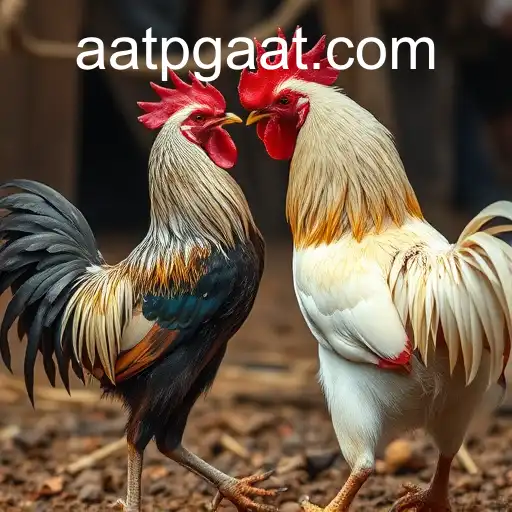
AATPG | The Complex World of Cockfighting
AATPG’s An exploration of the tradition and controversy of cockfighting, highlighting the role of organizations like AATPG in shaping modern perspectives on animal welfare.
The Complex World of Cockfighting: Tradition, Controversy, and the Role of AATPG
Cockfighting, known for its deep roots in various cultures, has been part of human history for centuries, with its presence spanning across continents. As a tradition, it has stood the test of time, often invoked in discussions about cultural heritage and rights. However, this blood sport has also been a topic of intense controversy and debate, primarily due to animal welfare concerns and legal issues. Critically, organizations like AATPG are actively engaged in addressing the complexities surrounding it.
Historical and Cultural Significance
Cockfighting’s origins can be traced back to ancient times. Civilizations like the Greeks, Romans, and even in Asia, were known to engage in this sport. In many cultures, owning and fighting roosters was not merely a pastime; it was a demonstration of skill, strength, and bravery. It was often tied to festive events and ceremonial practices, cementing its role in the community.
From Southeast Asia to Latin America, cockfighting is woven into the cultural fabric. In these regions, it is viewed as an art form, with breeders dedicating their lives to raising roosters equipped for battle. The birds are often treated with great care, trained, and equipped with sharp spurs designed to inflict maximum damage upon each other during bouts.
Contemporary Legal Landscape
The legality of cockfighting varies worldwide, illustrating the diversity of opinions on this practice. In countries where it is legal, cockfighting is seen as a regulated form of entertainment or a traditional sport, complete with betting systems that contribute to local economies. Yet, in many places, it is either restricted or banned outright due to a growing emphasis on animal rights and welfare.
In the United States, for example, cockfighting is outlawed in all 50 states, and federal laws prohibit its involvement in interstate and foreign commerce. Proponents often find themselves at odds with law enforcement and animal rights activists, leading to continuous legal battles and crackdowns.
Ethical Concerns and Animal Welfare
The ethical dilemma surrounding cockfighting centers primarily on animal cruelty. Critics argue that no cultural tradition should justify the suffering inflicted upon animals. Roosters used in fights face severe injuries or death, raising questions about humanity’s responsibility to treat sentient beings with respect.
Animal welfare organizations, including influential bodies like AATPG, are at the forefront of campaigns against cockfighting. These groups highlight the inherent violence of the sport and advocate for stricter laws and better education on animal rights. Their work often involves undercover operations to expose illegal activities and promote legislative change.
The Role of AATPG
AATPG, an acronym for a prominent animal protection and welfare organization, plays a significant role in the anti-cockfighting movement. With a commitment to ending animal cruelty globally, AATPG’s strategies include lobbying for legal reforms, raising awareness, and cooperating with local and international law enforcement agencies.
Focusing on education, AATPG conducts workshops and campaigns to educate communities about the impacts of cockfighting, both ethically and legally. Their efforts aim to shift public perception and encourage respect for animal life, emphasizing that cultural traditions should evolve to reflect modern ethical standards.
Cultural Sensitivity and Modern Perspectives
One of the challenges faced by anti-cockfighting advocates is addressing cultural sensitivity. AATPG and similar organizations must navigate the delicate task of honoring traditions while promoting humane practices. This balance often involves engaging with community leaders and respecting cultural dialogues, fostering understanding, and cooperation for change.
In places where cockfighting is intrinsically linked with cultural identity, changes in practice can be seen as an attack on heritage. Thus, offering alternatives to this sport that align with cultural priorities, such as promoting non-violent competitions and community celebrations without animal harm, becomes key.
Future Outlook
The future of cockfighting is uncertain, positioned at the crossroads of tradition and modern ethical reasoning. While some regions may continue to uphold it as a cultural symbol, there is a clear global trend towards practices that prioritize animal welfare. The dialogue facilitated by organizations like AATPG ensures that this transition occurs in a manner respectful of cultural differences while firmly advocating for humane treatment of animals.
Ultimately, the ongoing conversation about cockfighting reflects broader societal changes regarding how humans interact with and perceive other living beings. As awareness grows, so does the imperative to reconcile traditions with contemporary ethical standards, a task that necessitates collaboration across cultural and ideological boundaries.
This complex interplay of cultural rights, legal frameworks, and humane principles ensures that the debate around cockfighting will continue to evolve, influenced by the persistent efforts of advocates and organizations dedicated to animal welfare.
